In our last article, we looked at what glasses are really made of; metal, TR90, injection-molded plastic, acetate, and a handful of rare materials designers are experimenting with. We promised to come back to one material in particular, because it deserves more than a passing mention. So today, we’re talking about acetate.
A bit of history
Acetate has been around a lot longer than most people would guess. It was first developed by French chemist Paul Schützenberger in 1865, and by the early 1900s had become a practical, workable material. Long before it reached eyewear, it had already been used in industries ranging from film to textiles.
Spectacle frames came surprisingly early too. The first acetate frames were cut from flat sheets, often shaped to imitate tortoiseshell.
More than 150 years on, acetate remains one of the few plastics made almost entirely from renewable material, and still the one serious eyewear makers reach for first.
What Acetate Actually Is
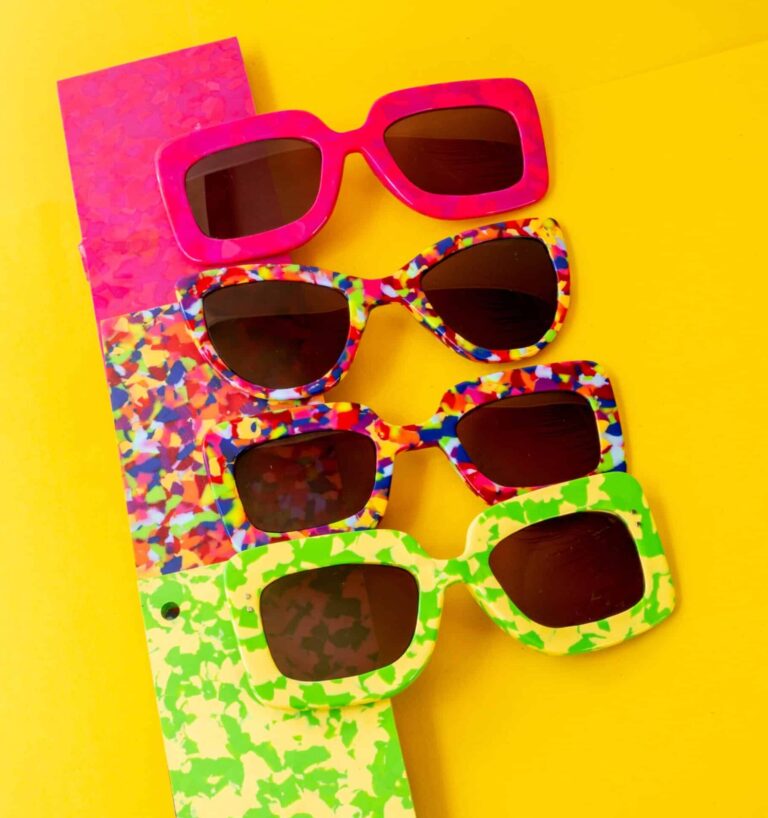
Most plastics used in eyewear come from petroleum. Acetate doesn’t. Also called cellulose acetate, it is made from cellulose, pulled from natural sources like cotton and wood pulp, which makes it a plant-based alternative in a market otherwise full of synthetics.
Cotton and wood pulp both work well for this because they’re naturally high in cellulose, the fibre that gives plants their structure. For cotton, it’s the fluffy fibre left behind once the seed is removed. For wood, it’s fibre pulled out of the timber itself. Either way, that raw fibre gets purified and put through a few chemical steps until it becomes acetate, then pressed into sheets or blocks that frame makers cut, shape, and polish into glasses.
It’s a longer process than turning petroleum into plastic pellets, but that’s the trade-off for a frame that started out grown, not drilled. And it’s this material that gives designers a range other plastics can’t touch — rich colour, layered pattern, finishes that hold up over time.
But being plant-based is only half the story of why acetate has stayed on top.
Why Designers Keep Coming Back to It
Ask anyone who works with premium frames and acetate comes up almost immediately.
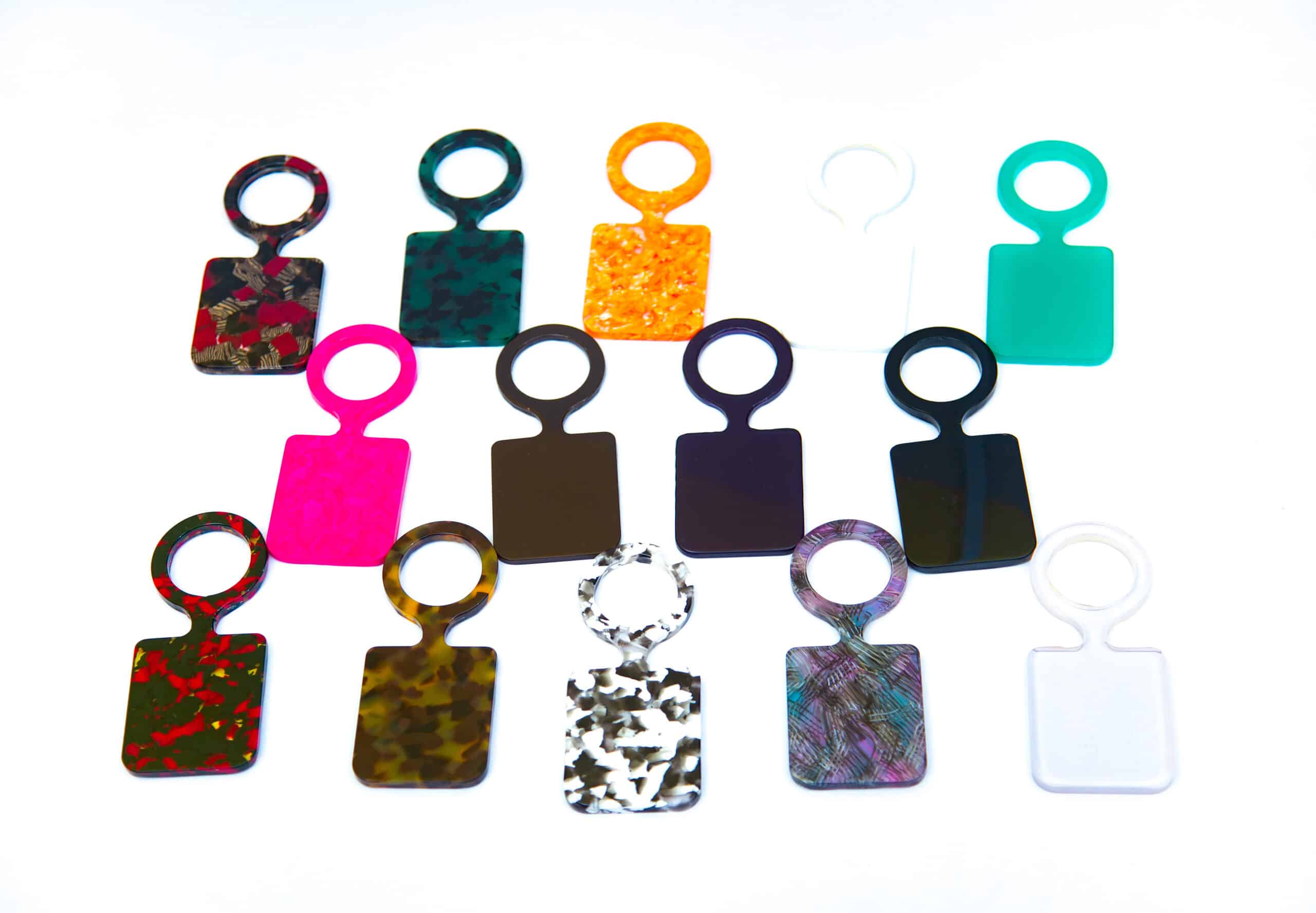
- Rich Colors: Acetate holds rich, layered colour in a way that’s hard to pull off with other materials: tortoiseshell patterns, bright colors, transparent, dark colors, and so many other combinations. It’s why so many people who want their glasses to say something about them choose acetate.
- Comfort: Acetate frames are sturdy without feeling stiff, and they stay comfortable through long days on the face.
- Durability: Acetate ages well. This is rarer than it sounds. Most plastics crack, fade, peel, or go brittle over time. Acetate can be polished and restored instead, so a frame can still look good years down the line.
- Gentle on Sensitive Skin: Acetate is also hypoallergenic, which matters more than people realize. Unlike some metals that can irritate the skin over time, acetate rarely causes a reaction, making it a safer choice for anyone who’s had trouble with frames before.
The Craft Behind an Acetate Frame
Most people never think about what it takes to make a single acetate frame before it lands on their face.
It starts as a sheet, not a shape. Sometimes solid colour, sometimes already layered with pattern. Every part of the frame gets cut out of that sheet. From there, it’s finishing and assembly.
And none of it happens fast. Hours go into shaping and polishing a single frame, which is a big part of why an acetate frame feels different in your hands than a mass-produced plastic one.
Acetate, One of Our Choice Materials at Wazi
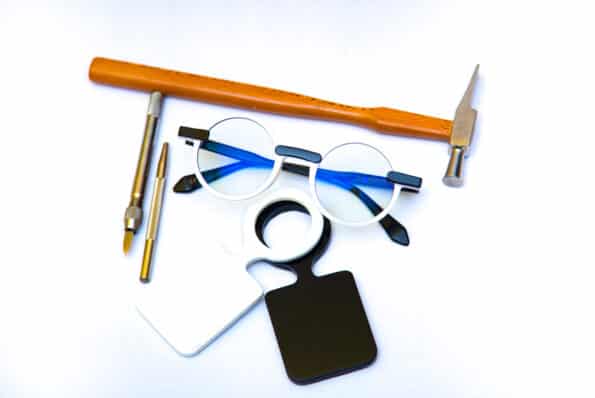
Acetate was an easy choice for our own frames. It lets us bring together colour, uniqueness, and durability, and it rewards the kind of hands-on work we want our frames known for. Our frames are made using the best acetate, including Mazzucchelli acetate.
Every frame that leaves our workshop goes through that same process; cutting, machining, polishing, assembly. It takes longer than injection-molding a plastic frame ever would, but that’s exactly why what comes out the other end feels worth holding onto.
Contact us for a catalog, check out our site for some of our acetate frames, or visit one of our partner MedOptics stores to take a look for yourself and get a pair. Reach us at +256 393194097, +256 709729981, or +256 776514420, or email support@wazivision.com.
What's Next
Acetate’s earned its place, but it’s not the only material worth talking about. Next time, we’re looking at one of the oldest materials in eyewear: horn. From buffalo horn to the more recent use of cow horn, we’ll get into what makes it so distinct, and why no two frames made from it ever turn out quite the same.